
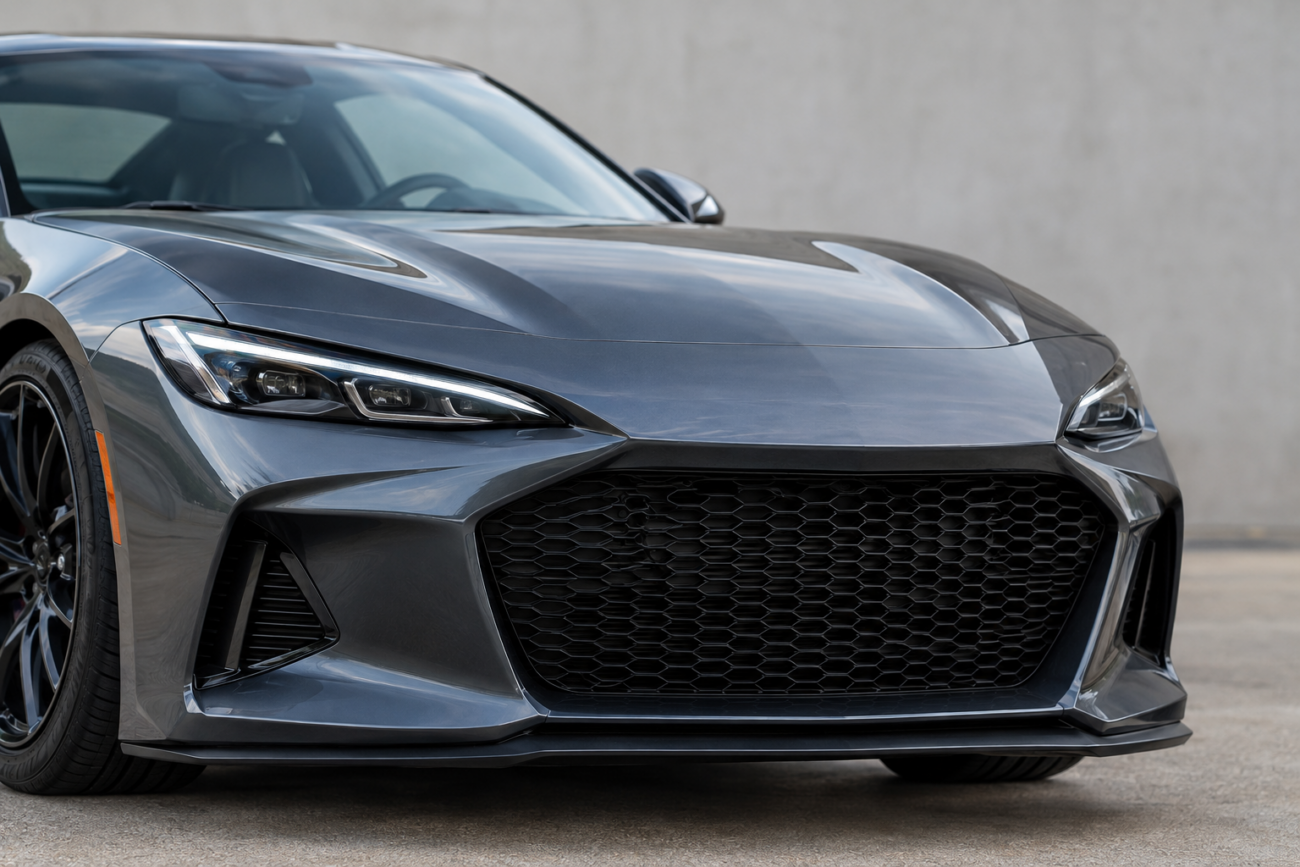
If you have ever looked at the front of your car and thought the license plate ruins the whole thing, you are not alone. Twenty-two states currently let you run with just a rear plate, and a couple more have carved out loopholes that might let you skip the front bracket altogether.
The list includes Alabama, Arizona, Arkansas, Delaware, Florida, Georgia, Indiana, Kansas, Kentucky, Louisiana, Michigan, Mississippi, New Mexico, North Carolina, Ohio, Oklahoma, Pennsylvania, South Carolina, Tennessee, and West Virginia. Alaska joined the rear-only club in 2022, and Utah made the switch at the start of 2025.
Idaho technically added a 23rd option as of November 2025. If your vehicle did not come with a front plate bracket from the factory, you are not required to run a front plate. Nevada has a similar rule, but it only applies if the manufacturer provides no way to mount one. Since most automakers still include mounting points for states that require two plates, the Idaho loophole is narrower than it sounds.
Why Some States Skip the Front Plate
Cost is the main driver. Manufacturing and distributing one plate per vehicle instead of two saves serious money. Ohio estimated it would save one-point-four million dollars a year when it dropped the front plate requirement in 2020. Utah projected three million in annual savings when it made the switch this year.
Design matters too. A front plate can block airflow to the radiator and intercooler, especially on cars with low front fascias or center-mounted intakes. It can also interfere with radar sensors and cameras that run adaptive cruise control, automatic emergency braking, and lane-keeping systems. Mounting a plate in the wrong spot can throw off calibration or trigger warning lights.
And yes, a car just looks better without a plate bolted to the nose. Manufacturers spend years sculpting front ends to balance aerodynamics and style. A stamped metal rectangle with random letters and numbers breaks that up.
Why Other States Still Require Two
Law enforcement prefers front plates because they make vehicles easier to identify. If someone runs a red light or flees the scene of a collision, a camera facing the front of the car can still capture a plate number. Automatic license plate readers work better when they have two chances to scan a vehicle, and toll systems rely on front-facing cameras to bill drivers.
Parking enforcement and security firms also like front plates. It is easier to verify who is parked where when you can read a plate from either end. Twenty-eight states still require both front and rear plates, plus Washington, D.C.
Florida almost forced drivers to add front plates in 2025, but the bill died in committee. That would have been a step backward for anyone who cares about how their car looks.
What This Means If You Wrench Your Own Ride
If you live in a rear-only state, you can skip drilling holes in your bumper or messing with a tow hook mount. If you just moved from a two-plate state, you can pull the front bracket off and fill the holes with flush plugs or touch-up paint. Check your local rules before you do anything, because getting pulled over for a missing plate in a state that requires one is an easy ticket.
For anyone running aftermarket bumpers or custom front fascias, the Idaho and Nevada rules are worth knowing. If you swap to a bumper with no factory provision for a plate, you might have an out. Just be ready to explain it if you get stopped.
The trend seems to be moving toward rear-only plates as more states look for budget cuts and fewer reasons to mandate the front bracket. Until then, it depends on where you register the car.
