
GM just laid out the engine options for the 2027 Silverado 1500 and Sierra 1500, and there are two paths worth paying attention to. One is brute force. The other is about not stopping for fuel until you cross state lines twice.
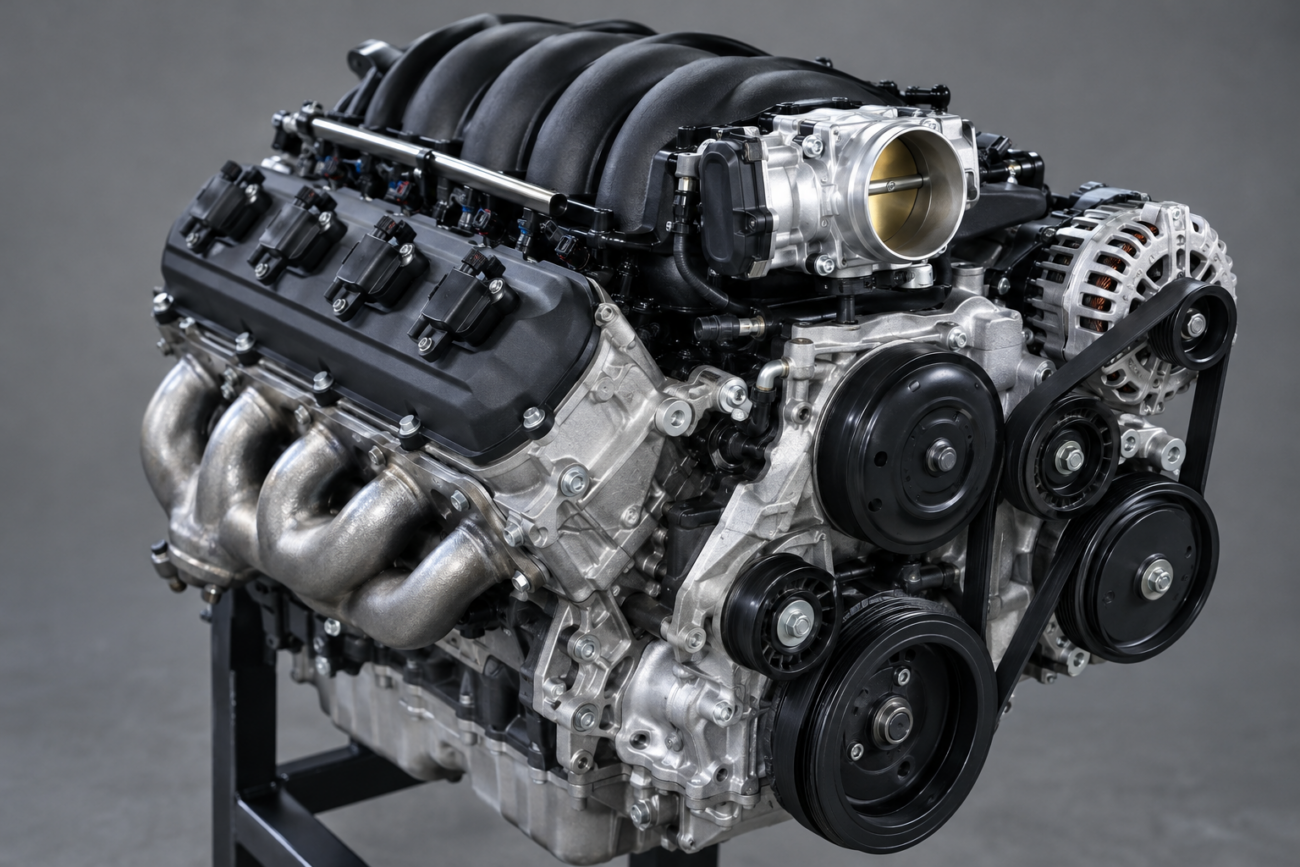
The first option is a fresh 6.6-liter V8 built on the sixth-generation small-block platform. It makes 481 horsepower and 501 pound-feet of torque, which puts it in the ballpark with updated rivals but wrapped in what GM describes as a redesigned fuel delivery system, better airflow, and upgraded lubrication. Translation: they started with the Gen VI architecture and reworked the guts to squeeze out more power without blowing up oil pumps or starving cylinders at high RPM.
This is not a displacement bump for the sake of it. The 6.6 slots in as a heavy-duty option for people who tow often or haul loads that make a V6 wheeze. It is also aimed squarely at fleet buyers who spec trucks by the dozen and need something that will pull a loaded trailer without downshifting every time the road tilts upward.
The Duramax Diesel Range Play
Then there is the diesel argument. GM is keeping the 3.0-liter Duramax inline-six in the lineup, rated at 305 horsepower and 495 pound-feet of torque. The raw numbers are modest compared to the gas V8, but torque arrives low and stays flat, which is what matters when you are merging onto a highway with 7,000 pounds behind you.
What stands out is the range claim. Pair the Duramax with a two-wheel-drive configuration and the optional 34-gallon fuel tank, and GM says you can cover more than 900 highway miles before needing to refuel. That is Chicago to Nashville with fuel left over. Or Denver to Salt Lake City without watching the gauge drop into the red zone somewhere past the Wyoming border.
The 3.0 diesel is not new, but GM did tweak the calibration and control logic for the 2027 trucks. That likely means adjustments to injection timing, turbo boost mapping, and emissions aftertreatment to match the updated chassis and transmission tuning. Nothing revolutionary, but enough to wring out a few more miles per gallon and keep the powertrain certifications current.
Two Ways to Spec Power
So the choice comes down to what you need a truck to do. The 6.6 gas V8 is the answer if peak output matters, if you live at elevation, or if you just prefer the response curve of a naturally aspirated big-bore engine. The Duramax diesel is the move if fuel stops are a pain, if you spend hours on the interstate, or if low-end grunt is more valuable than top-end horsepower.
Fleet managers will run spreadsheets on fuel cost per mile and maintenance intervals. The rest of us will decide based on how often we want to pull off the highway and whether we trust a diesel to stay reliable past 150,000 miles. GM is betting there is a market for both, and judging by how many Duramax-equipped trucks already roll through truck stops, they are probably right.
The 2027 models should start hitting dealer lots later this year. Pricing has not been announced, but expect the Duramax option to add a few thousand to the sticker and the 6.6 V8 to land somewhere between the base V6 and the diesel. If the 900-mile range claim holds up in real-world driving, that diesel upcharge might pay for itself faster than expected.
